Aerial Lift Types Explained: Choose the Right One for Your Worksite
Discover the different aerial lift types and learn how to choose the best fit for your job site. Make the safest and most efficient choice with Man Lift USA.
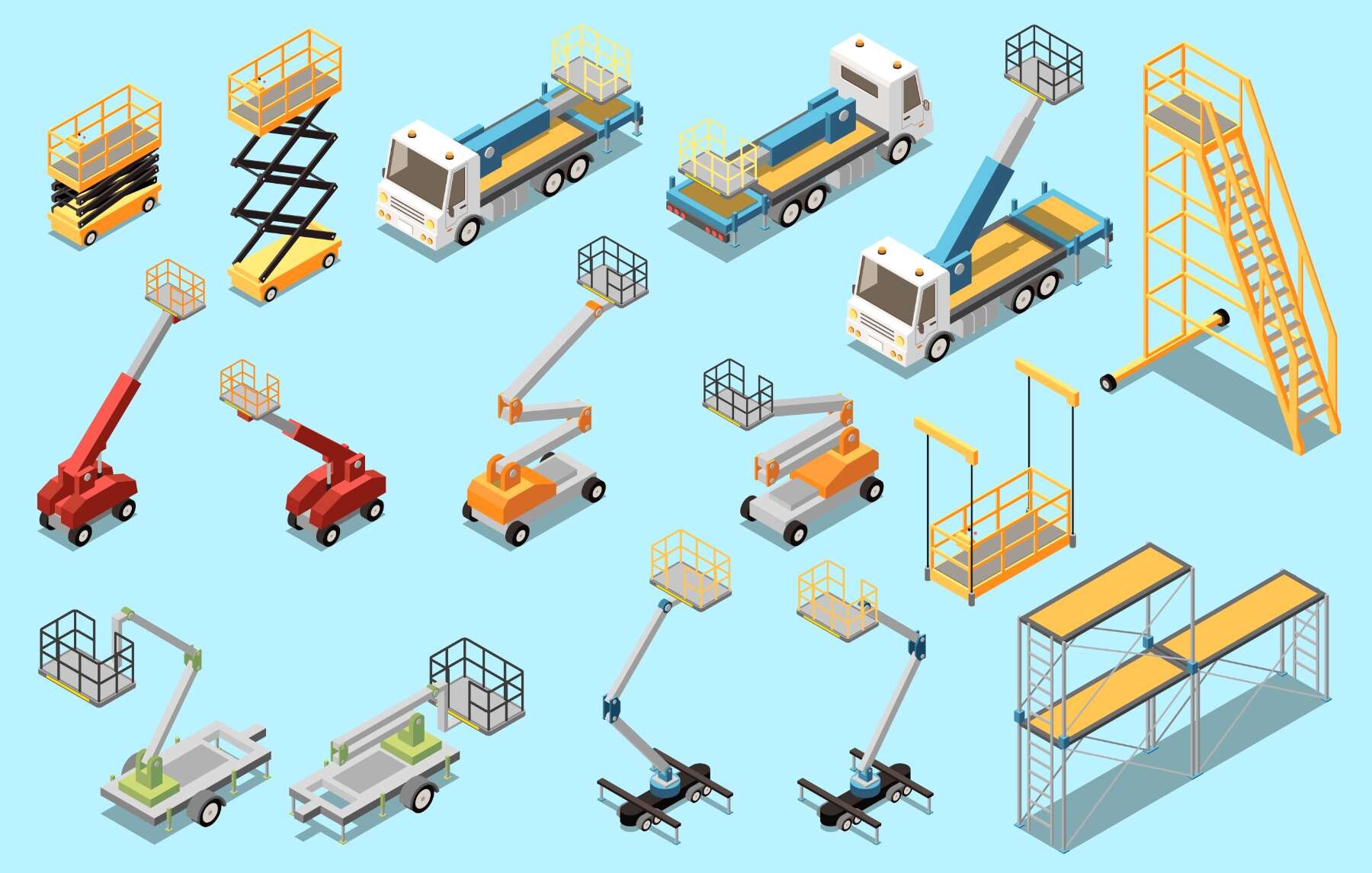
When it comes to accessing hard-to-reach places safely and efficiently, aerial lifts are an indispensable tool across many industries. Whether you're managing maintenance in a warehouse, building at height in a construction site, or handling infrastructure inspections, the right aerial lift can make all the difference. In this article, we’ll explore the various aerial lift types, their unique applications, and how to determine the best one for your project needs.
1. What Is an Aerial Lift?
An aerial lift is a mechanical device used to elevate workers, tools, and materials to elevated work areas. Unlike traditional ladders or scaffolding, aerial lifts offer greater mobility, stability, and safety for tasks performed at height. They come in several configurations, each suited to different environments and worksite requirements.
2. Main Types of Aerial Lifts
Let’s break down the most common aerial lift types:
Scissor Lifts: Known for their vertical lift motion, scissor lifts are ideal for indoor jobs with limited space and smooth surfaces. They provide a sturdy platform for multiple workers and tools.
Boom Lifts: These lifts offer extended reach both vertically and horizontally. They come in two subtypes:
Articulating Boom Lifts: Also known as “knuckle booms,” these allow for flexible navigation around obstacles.
Telescopic Boom Lifts: Known for their straight-reach capability, ideal for high vertical access.
Vertical Mast Lifts (Single Man Lifts): Perfect for tight indoor spaces, they’re compact and easy to maneuver for light-duty tasks.
Trailer-Mounted (Towable) Boom Lifts: Easy to transport between sites, these are suitable for contractors and short-term projects.
Insulated Boom Lifts: Designed for electrical utility work, these protect operators when working near power lines.
3. Factors to Consider When Choosing an Aerial Lift
To determine which aerial lift type suits your job, consider the following:
Height Requirements: How high do you need to reach?
Terrain Conditions: Is the ground smooth, rough, or sloped?
Work Environment: Indoor or outdoor? Confined or open spaces?
Weight Capacity: Will it lift one worker or a full crew with tools?
Mobility Needs: Do you need to move the lift frequently across the site?
4. Safety Considerations and Compliance
Safety is non-negotiable when operating aerial lifts. Ensure the equipment complies with OSHA standards and includes features like fall protection anchor points and emergency lowering systems. Operators must be properly trained and certified for the specific lift type used.
👉 Learn more about OSHA aerial lift requirements on our blog.
5. How Man Lift Can Help
At Man Lift USA, we offer a comprehensive range of aerial lift types, including boom lifts, scissor lifts, and towable lifts. Our equipment is OSHA-compliant and maintained to the highest safety standards. Whether you're looking to rent or buy, our team will guide you to the right aerial lift based on your specific job requirements.
Explore our product pages for:
Conclusion
Understanding the different aerial lift types is essential to choosing the right equipment for your worksite. By evaluating your project’s height, space, and mobility needs, you can improve efficiency, reduce risk, and stay within budget.
Need help finding the right lift? Contact our experts or explore our equipment to make the smart, safe choice with Man Lift USA.