
Aerial Work Platform Safety Features That Matter Most (OSHA & ANSI)
Learn the most important aerial work platform safety features required by OSHA and ANSI and how to choose compliant equipment from Man Lift USA.
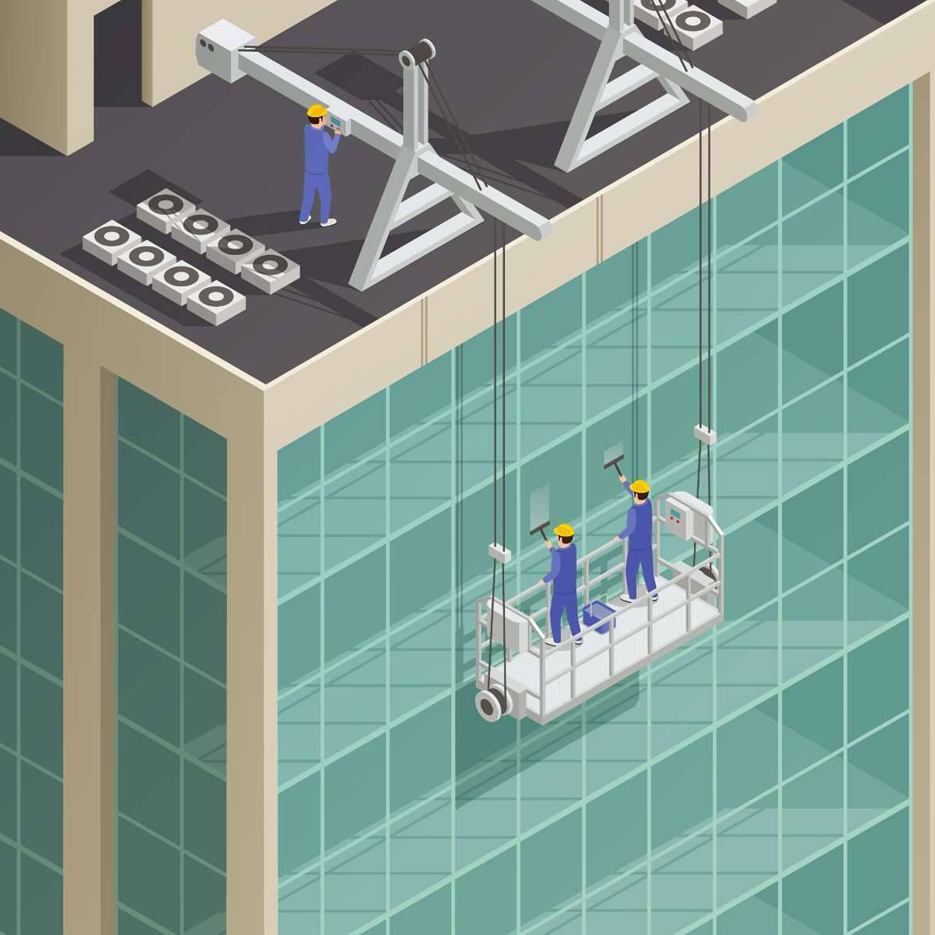
Safety is not an optional upgrade when working at height. Understanding aerial work platform safety features is essential for preventing falls, tip-overs, equipment failure, and OSHA violations. While most modern lifts include basic safeguards, not all safety features carry the same weight—or relevance—depending on the application.
This article explains which safety features matter most, how they align with OSHA and ANSI standards, and how to evaluate aerial work platforms from a risk-management perspective rather than just a height or price comparison.
Why Safety Features Define Equipment Quality
Two lifts may look similar on paper, but their safety systems determine how forgiving they are under real-world conditions. Job sites are rarely ideal: uneven surfaces, changing loads, operator fatigue, weather exposure, and time pressure all increase risk.
OSHA requires employers to provide equipment that protects workers from recognized hazards. In aerial lifts, safety features are the primary engineering control that makes this possible.
Core Safety Features Required on Aerial Work Platforms
Guardrails and Entry Gates
Guardrail systems are the first line of fall protection. They must fully enclose the platform and include self-closing or self-latching gates. Missing or modified guardrails are one of the most cited OSHA violations involving aerial lifts.
Emergency Descent Systems
All aerial platforms must allow the operator—or ground personnel—to safely lower the platform if power or control systems fail. Emergency descent systems prevent workers from becoming stranded at height.
Platform Load Sensors
Overloading is a major cause of instability. Load-sensing systems detect when platform capacity is exceeded and prevent further lift operation. This feature directly supports OSHA weight limit compliance.
For platforms where load capacity is critical, scissor lifts are commonly selected.
Stability and Tip-Over Prevention Systems
Tilt and Slope Sensors
Tilt sensors monitor machine angle and prevent operation when stability limits are exceeded. This is especially critical on uneven job sites or when lifts are repositioned at height.
Outriggers and Leveling Systems
Boom lifts and some specialized platforms rely on outriggers to distribute load and maintain stability. Automatic or assisted leveling reduces human error during setup.
Operator-Controlled Safety Systems
Deadman Controls
These controls stop movement immediately when released, preventing unintended operation.
Operator Presence Sensors
Presence sensors ensure the lift only operates when an operator is correctly positioned. This prevents accidental movement and improves control accountability.
Fall Protection and Anchorage Points
While scissor lifts rely primarily on guardrails, boom lifts require personal fall protection. Certified anchorage points are designed to work with harness systems and must be used according to manufacturer instructions.
Improper use of harness systems—such as tying off to guardrails—is both unsafe and non-compliant.
Safety Differences by Lift Type
Scissor lifts prioritize load stability and vertical safety
Boom lifts emphasize fall protection and reach control
Single-man lifts focus on balance, enclosure, and controlled ascent
Each platform type integrates safety features differently based on its use case.
OSHA, ANSI, and Why Compliance Is Non-Negotiable
OSHA enforces workplace safety, while ANSI standards define equipment design and performance. OSHA often references ANSI A92 standards for aerial lifts.
Using non-compliant equipment exposes companies to:
Citations and fines
Work stoppages
Insurance issues
Increased liability in accidents
Compliance is not just about avoiding penalties—it’s about operational reliability.
Choosing a Provider That Prioritizes Safety
Safety features are only effective if equipment is properly maintained and matched to the job. Providers that specialize in aerial work platforms are better equipped to guide selection and ensure compliance.
Explore compliant equipment:
Man Lift USA
Get expert guidance:
Contact Us
Final Takeaway
Aerial work platform safety features are not optional accessories—they are engineered controls that protect lives. When selecting equipment, prioritize stability systems, load protection, fall prevention, and compliance with OSHA and ANSI standards.
Choosing the right platform—and the right provider—reduces risk and improves jobsite performance.