
Top Challenges in Bridge Construction Projects in 2025
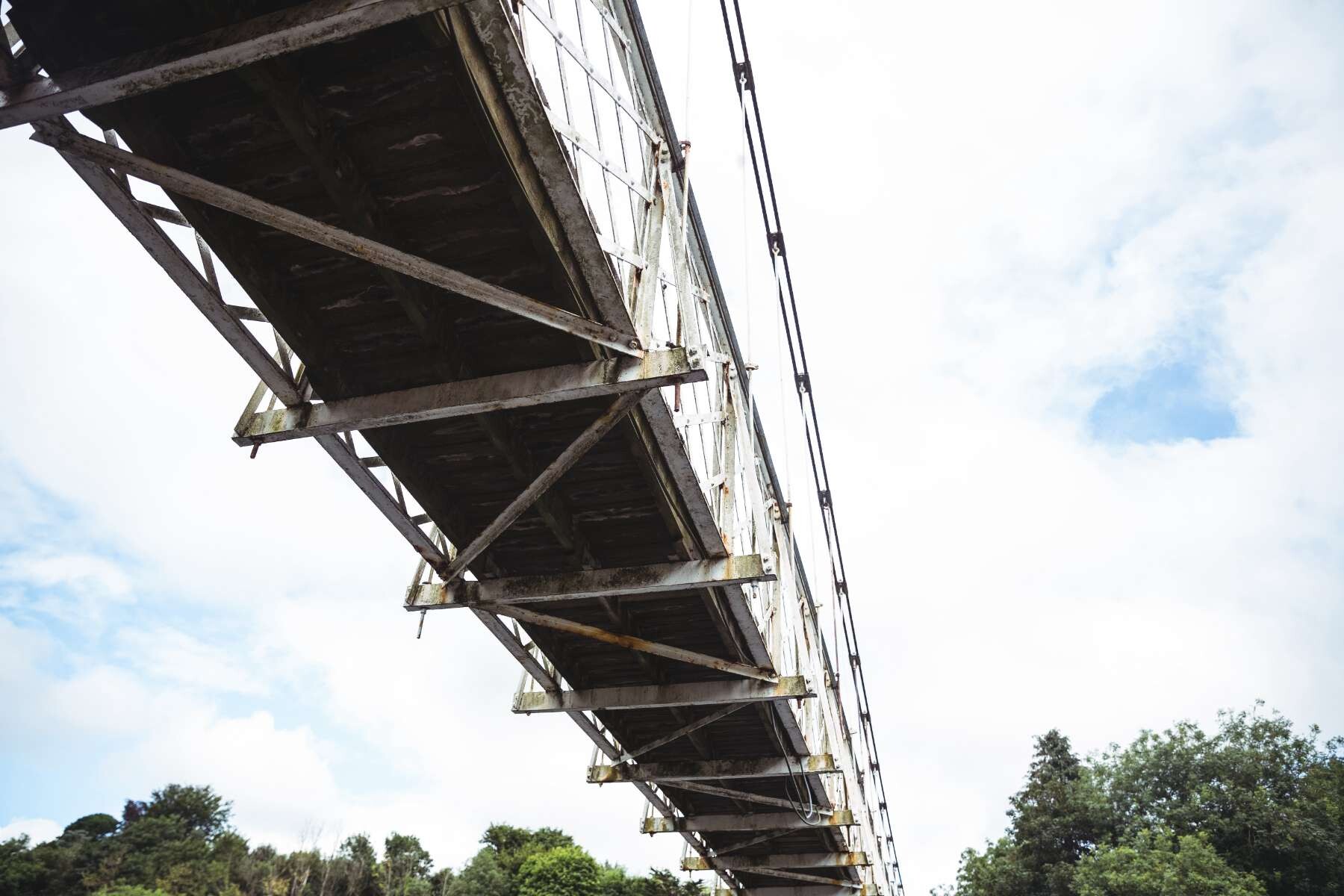
Bridge construction is a cornerstone of modern infrastructure, connecting communities and enabling efficient transportation. As we move into 2025, the industry faces evolving challenges influenced by technological advancements, environmental factors, and economic dynamics. Here, we explore the top challenges and their implications for bridge construction projects.
Bridge construction requires careful planning, especially with evolving industry challenges. For a deeper dive into key construction methods and considerations, explore everything you need to know about bridge construction.
1. Rising Material Costs
The cost of construction materials, such as steel, concrete, and specialized alloys, has seen a consistent increase due to supply chain disruptions and global inflation. This challenge impacts project budgets, leading to delays or scaling back of planned projects.
Solution: Companies can mitigate costs by adopting innovative materials like ultra-high-performance concrete (UHPC) and leveraging local sourcing to reduce transportation expenses.
2. Labor Shortages
Skilled labor shortages remain a significant concern in 2025. With an aging workforce and fewer young professionals entering construction trades, projects face delays and reduced productivity.
Solution: Investing in workforce development programs and utilizing automation technologies, such as robotic welders and autonomous machinery, can fill the gap and enhance efficiency.
3. Environmental Regulations and Sustainability Goals
Stricter environmental regulations and the push for sustainable practices are reshaping the bridge construction landscape. Builders must balance compliance with these regulations while maintaining cost and efficiency.
Solution: Incorporating green building practices, such as using recycled materials and designing bridges with longer lifespans, can address sustainability goals without compromising quality.
4. Technological Integration
Adopting new technologies like Building Information Modeling (BIM), drones for site inspections, and digital twins for simulations poses both an opportunity and a challenge. The learning curve and upfront investment deter some companies from full-scale implementation.
Solution: Gradual integration and training programs can ensure that teams effectively utilize these technologies, leading to long-term cost savings and enhanced project outcomes.
5. Climate Change and Extreme Weather Events
The increasing frequency of extreme weather events, such as floods, hurricanes, and heatwaves, directly impacts bridge construction timelines and structural integrity.
Solution: Designing resilient bridges that account for climate risks, such as higher load capacities and materials resistant to temperature fluctuations, can mitigate these effects.
6. Complex Project Management
Large-scale bridge projects often involve multiple stakeholders, complex logistics, and tight deadlines. Coordinating these elements efficiently remains a challenge in 2025.
Solution: Advanced project management tools and practices, including real-time collaboration software and predictive analytics, can streamline communication and decision-making.
7. Funding Constraints
While infrastructure funding remains a priority, limited budgets and competition for resources can delay or scale back bridge construction projects.
Solution: Public-private partnerships (PPPs) and innovative financing models, such as toll-based revenue generation, can alleviate funding pressures and ensure project viability.
8. Safety Concerns
Maintaining safety during construction remains a critical priority. Complex projects and high-risk environments require stringent adherence to safety standards, such as those outlined by OSHA.
Solution: Continuous training programs, regular safety audits, and the adoption of advanced safety technologies, such as wearable devices for monitoring worker health, can minimize risks.
Conclusion
Bridge construction in 2025 demands a proactive approach to address rising costs, labor shortages, and environmental challenges. By embracing innovation, fostering collaboration, and prioritizing sustainability, companies can overcome these hurdles and deliver infrastructure that supports communities and economic growth. Addressing these challenges head-on will not only ensure successful project execution but also set new standards for the industry moving forward.
Looking for the best equipment for bridge construction? Explore our range of high-quality Man Lifts designed for efficiency and safety.