
Safe Towable Manlift Transportation: What You Should Know
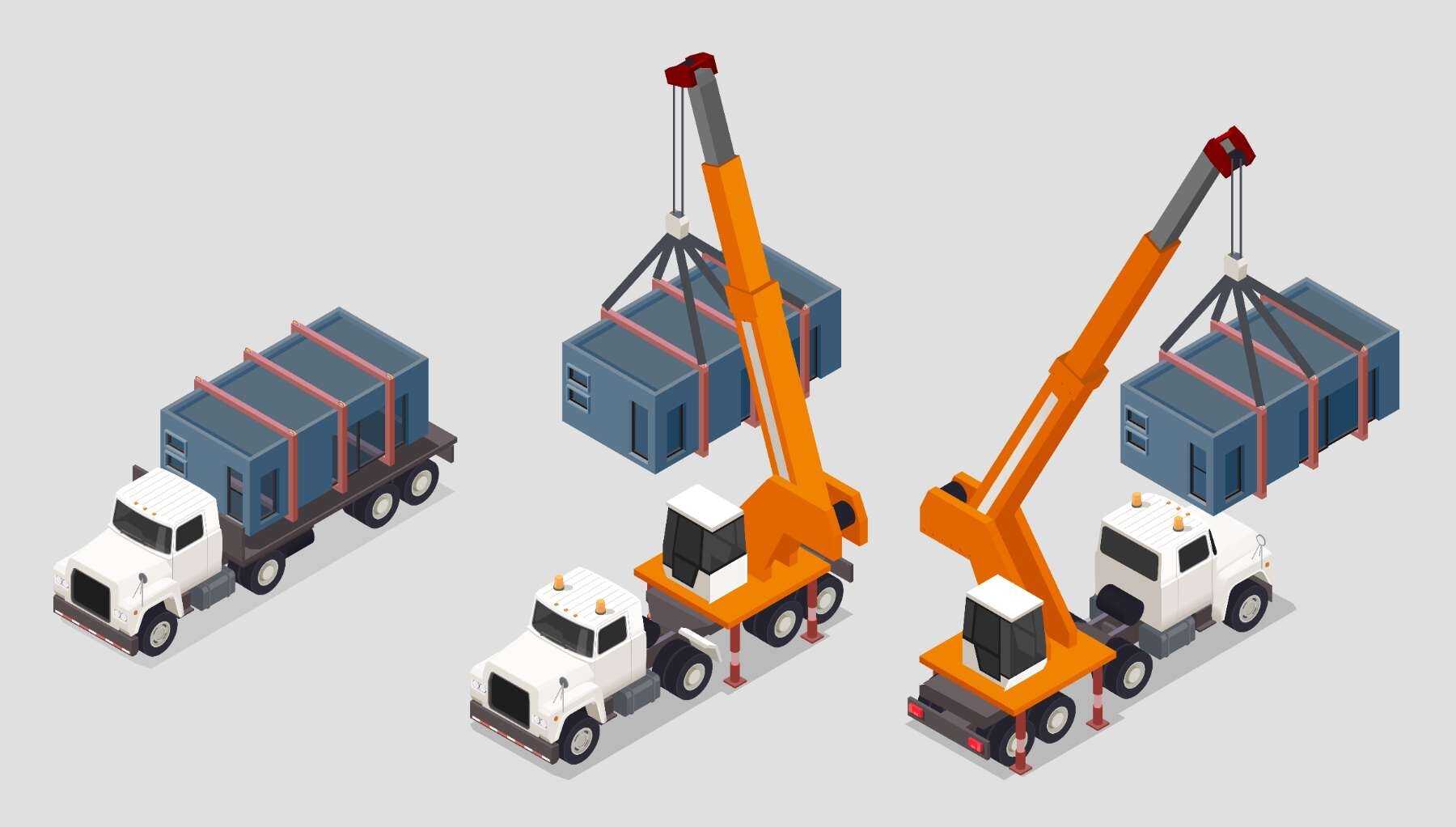
Towable manlifts offer unmatched flexibility for aerial work, but transporting them requires specific safety precautions. Whether you’re delivering equipment to a construction site or moving between locations, following best practices ensures operator safety and prevents costly damage.
In this guide, we’ll walk you through everything you need to know to transport a towable manlift safely, including tips, tools, and key considerations.
Why Transport Safety Matters
Improperly transporting a towable manlift can result in:
Equipment damage
Road safety hazards
Legal liabilities
Costly project delays
Preventing these risks begins with careful preparation and execution.
1. Understand the Equipment Specifications
Before moving a towable manlift:
Check weight and dimensions. This impacts towing capacity.
Know the hitch requirements. Most models require a 2” ball hitch.
Confirm electrical and brake connections meet DOT regulations.
🛠 Need detailed specs? Visit our Towable Manlifts product page.
2. Choose the Right Towing Vehicle
Match the manlift weight to a vehicle with enough towing capacity. Overloading can lead to brake failure or instability.
Recommended features for towing:
Brake assist systems
Heavy-duty suspension
Towing mirrors
Properly rated trailer hitch
3. Inspect the Manlift Before Towing
Conduct a pre-transport checklist:
Tires are inflated and damage-free
Lights and signals function
Safety chains are secured
Outriggers are stowed correctly
Boom and platform are locked in place
🔍 Read our guide on Best Practices for Scissor Lift Safety — many tips apply here too.
4. Use Proper Tie-Downs
Use heavy-duty ratchet straps or chains. Secure the manlift at four points:
Front axle
Rear axle
Boom structure (if needed)
Stabilizing arms
Avoid relying solely on hydraulic or mechanical locks.
5. Follow Road Safety Regulations
Transporting equipment on public roads comes with legal responsibilities:
Use visible flags, lights, or signage
Obey maximum height/width regulations
Drive at reduced speed
Avoid sharp turns or hard braking
🚦 Pro Tip: Some states require permits for oversize equipment—check your local regulations.
6. Unloading Safely on Site
Upon arrival:
Use a level surface
Clear the unloading zone
Chock wheels before detaching
Deploy outriggers and inspect hydraulic pressure before operation
Always unload slowly and with visibility on all sides.
7. Common Mistakes to Avoid
Forgetting to disconnect electrical plugs
Leaving the boom extended
Using undersized tie-downs
Ignoring weather conditions (like high winds or icy roads)
Conclusion
Transporting a towable manlift safely isn’t complicated, but it demands preparation and attention to detail. These best practices can help prevent damage, delays, and safety risks—keeping your team productive and compliant.
🔧 Looking for reliable towable manlifts and expert support? Explore Man Lift’s product range and contact us for expert rental guidance.